Course Design & Instructional Development Portfolio
-
This portfolio highlights selected examples of my work in online and hybrid course design, instructional development, and faculty partnership in higher education. With more than 18 years of experience teaching and designing learning in university settings, my work centers on evidence-based instructional design, accessibility, assessment, and continuous improvement.
The samples included demonstrate my approach to collaborating with faculty, analyzing instructional needs, designing engaging learning experiences, and building high-quality courses that support student success and equitable access.
-
My instructional design practice is grounded in:
Backward design and established instructional design models (e.g., ADDIE)
Learning theory and pedagogy appropriate for adult and undergraduate learners
Universal Design for Learning (UDL) and accessibility standards
Outcome-aligned assessment and continuous improvement
Faculty partnership and consultation, respecting disciplinary expertise while supporting effective online teaching practices
I emphasize clarity, structure, and alignment—ensuring that learning outcomes, activities, and assessments work together to create meaningful and engaging learning experiences.
-
The portfolio includes examples of:
Online and Hybrid Course Design
Canvas and D2L-based course structures demonstrating alignment of learning outcomes, instructional content, activities, and assessments.Interactive Learning Modules
Articulate Storyline and Rise examples illustrating scenario-based learning, knowledge checks, and learner engagement strategies.Assessment & Learning Evaluation
Examples of course- and program-level assessments used to support reflection, feedback, and instructional improvement.
-
Learning Management Systems (Canvas and similar platforms)
Articulate Storyline & Rise
Multimedia development tools (video, presentation, interactive content)
Accessibility and UDL-informed design practices
-
Online Course Design Framework (Canvas)
Full course design example demonstrating consistent module structure, outcome-aligned learning activities, and clear student navigation in Canvas to support effective online learning.
-
Course Design Walkthrough (D2L)
Short guided walkthrough of an LMS-based course highlighting module organization, learning flow, assessment integration, and design decisions that support clarity and engagement.
-
Program-Level Assessment Design
Program-level assessment example illustrating alignment of learning outcomes, authentic assessment strategies, and use of evaluation results to inform instructional and curricular improvement.
-

Sociology Course (Rise 360)
Self-paced interactive learning module built in Articulate Rise, demonstrating chunked content, knowledge checks, and learner-friendly design for online delivery.
-
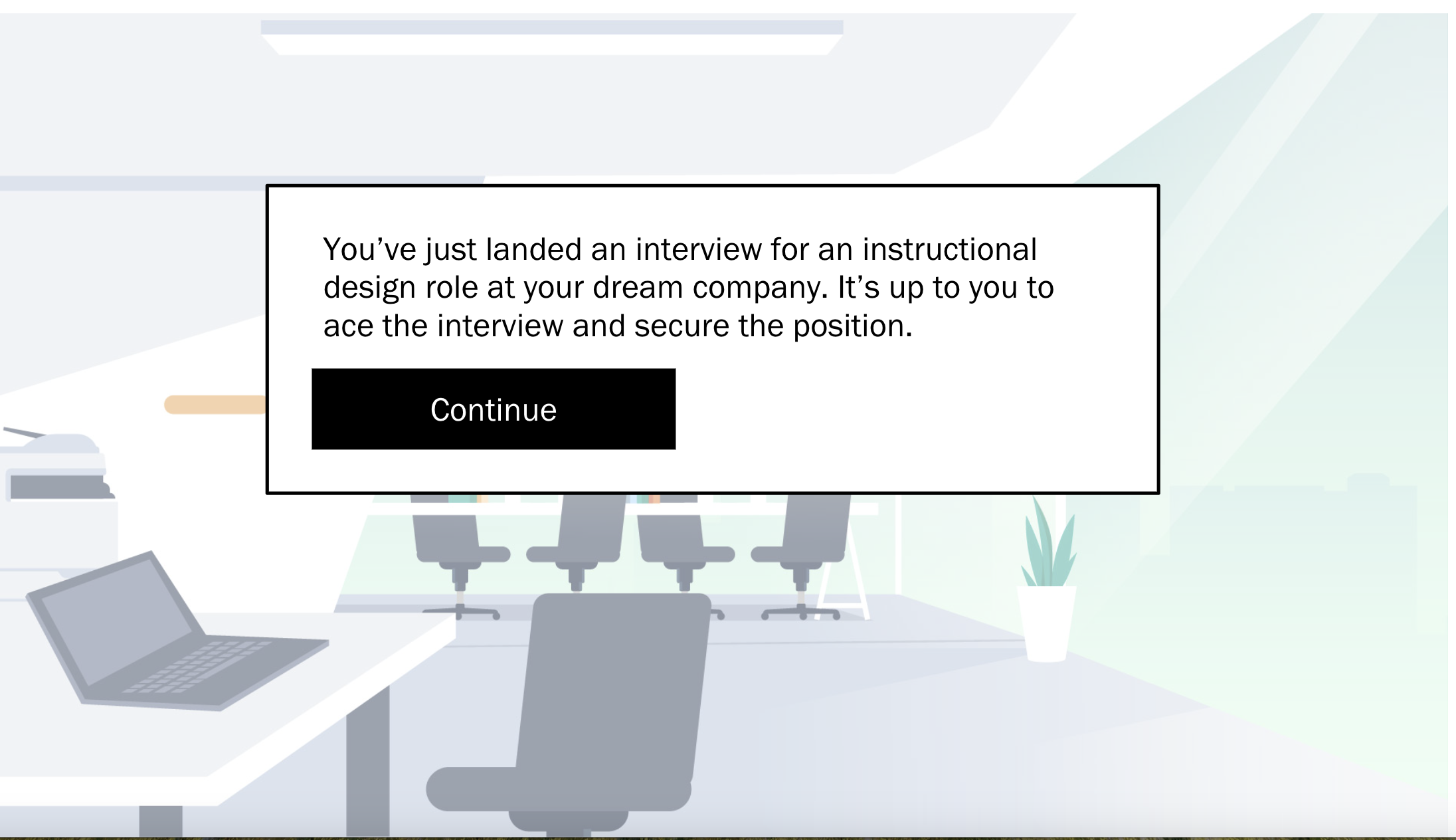
Scenario-Based eLearning (Articulate Storyline)
Interactive scenario-based eLearning module designed in Articulate Storyline to support applied decision-making, learner engagement, and formative feedback.
-

Interactive Video (Articulate Storyline)
Interactive video example incorporating embedded prompts and decision points to encourage active engagement and reflection during video-based learning.
-
Faculty & Staff Development Leadership Highlight
Selected example of professional development leadership focused on supporting faculty learning, instructional quality, and collaborative program improvement.